Skin Cancer Treatment at Skin Dermatology

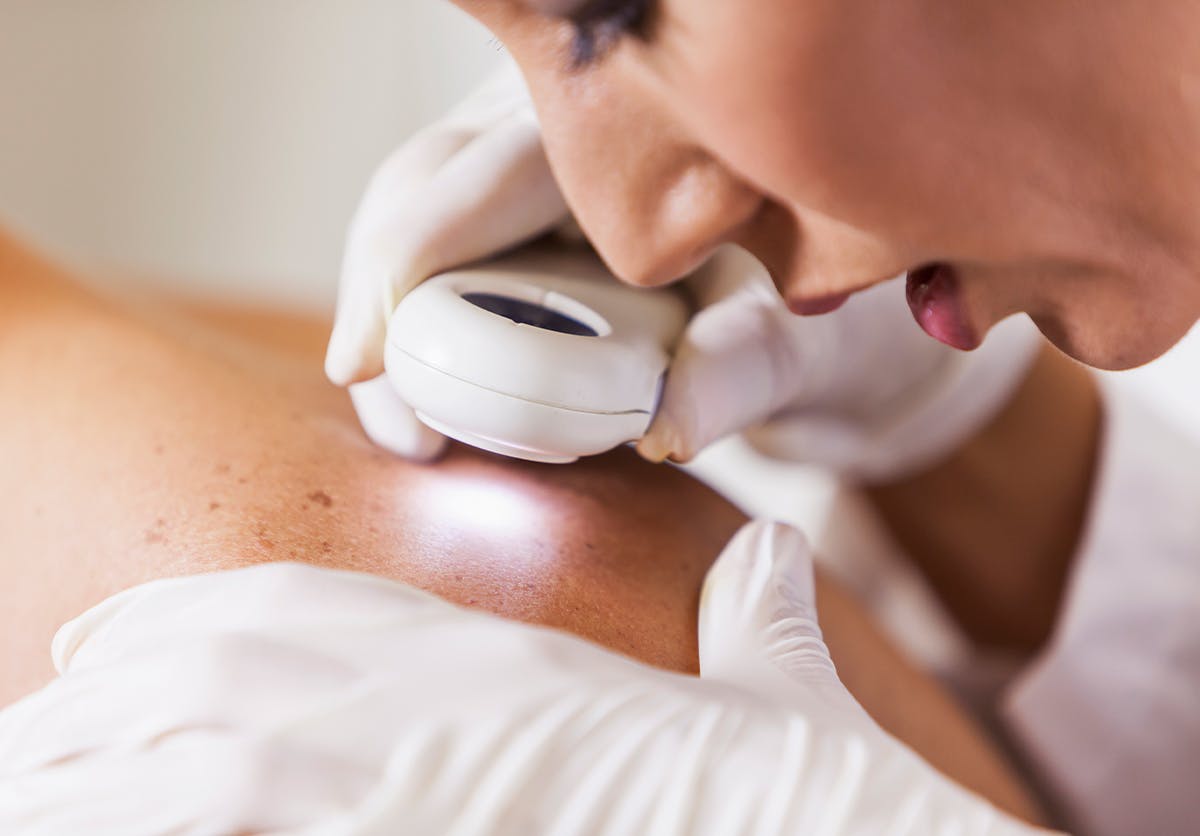
Many people develop skin cancer in their lifetime, but it is by far the most curable form of cancer—though early detection is important for a positive outcome. Skin cancers often vary in appearance from person to person, which makes them difficult to identify to the untrained eye. As a specialist of the skin, Dr. Lamoureux possesses unique expertise to identify these conditions.  

Monitoring and Managing Skin Cancer

Skin cancer varies widely in appearance, making it impossible to diagnose yourself if you’re not a skin cancer specialist yourself. However, if you notice changes in your skin, moles, or other skin irregularities, that may warrant a visit to Dr. Lamoureux. Examples of these changes include the lesions shifting in size, shape, and color, become painful, itch, burn or bleed. Monitoring skin changes is very important. 


Your Personal Skin Cancer Treatment Plan

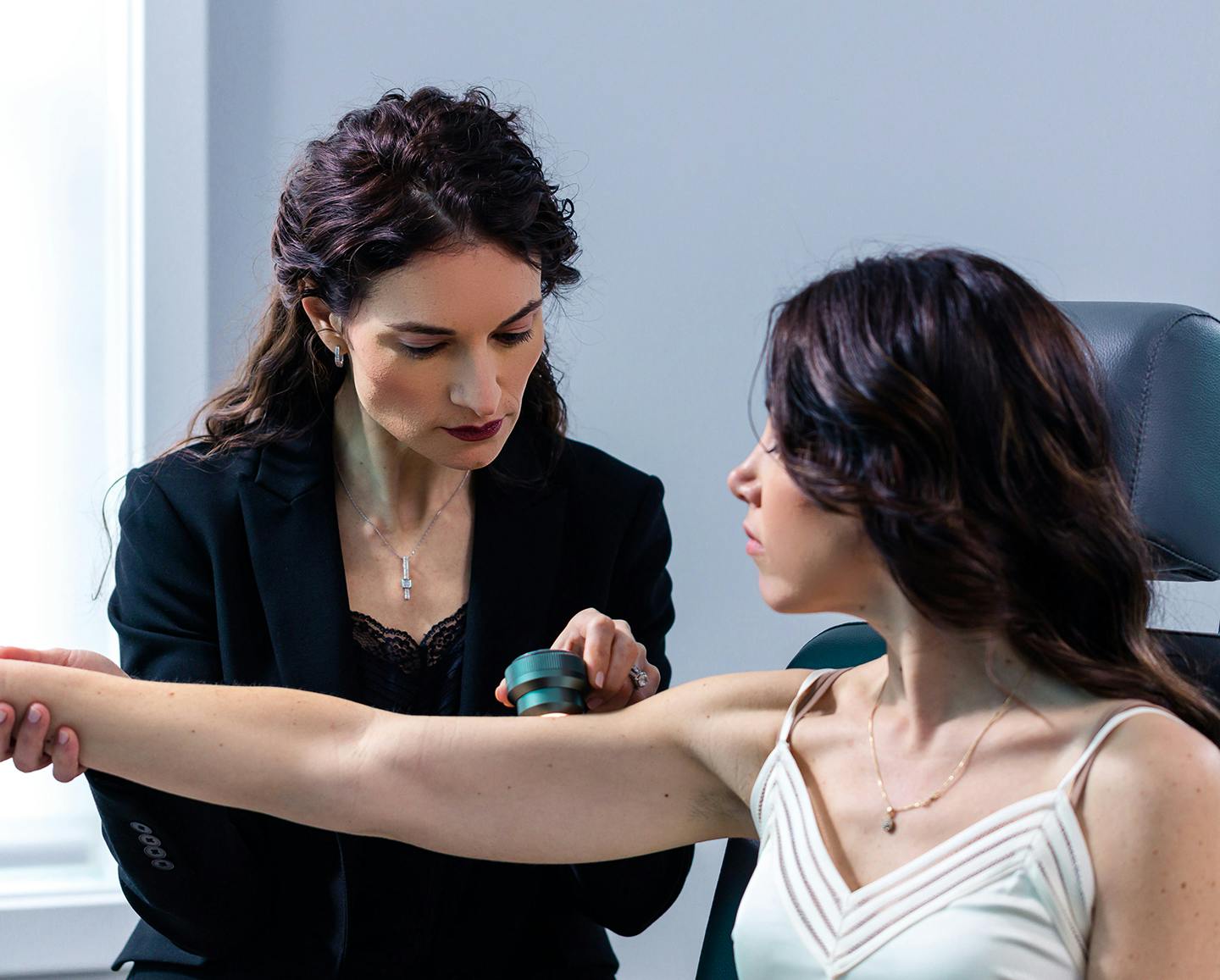
When you visit Skin Dermatology for your skin check, Dr. Lamoureux may remove suspicious moles altogether. She may also perform a biopsy to determine whether malignancy is present. If skin cancer is indeed found, skin cancer treatment in Worcester, will be recommended according to the type of cancer you have and its stage.

Once you and Dr. Lamoureux develop a treatment plan that best addresses your condition and treatment goals, she will help you schedule an appointment at Skin Dermatology or with the appropriate specialist. Cure, cosmesis, and achieving the best clinical outcome are our main concerns in treating you.

Skin Cancers We Treat 

The common skin cancers that we treat at Skin Dermatology are basal cell carcinoma, squamous cell carcinoma, and melanoma. Basal cell is the most common skin cancer—yet it’s responsible for the vast majority of skin cancer fatalities. Dr. Lamoureux will excise some melanomas, but depending on its stage of progression, she may refer you to a specialist.

Background media

What Does Treatment Involve?

  • Prescription topical therapy: This may be recommended for superficial skin cancers.
  • Excision: We will cut out the entire lesion and often some surrounding skin and then sew it back together. The tissue removed will be sent for analysis by a pathologist to evaluate for complete clearance of cancer. Stitches will be removed at a subsequent visit. Patients are instructed to limit exercise and heavy lifting while stitches are in place.
  • Electrodesiccation and Curettage: We will use a special tool to scrape away the lesion. Then we will use a special tool that contains an electric current to destroy the remaining cancerous cells. The treated area will be covered with a bandage and local wound care will be advised. 
  • Referrals: We will refer you to a specialist in Mohs surgery, plastic surgery, radiation, chemotherapy, or lymph node removal.

Surgery for Skin Cancer

Surgery is a common treatment for basal cell and squamous cell skin cancers. Different surgical techniques can be used. The options depend on the type of skin cancer, how large the cancer is, where it is on the body, and other factors. Most often, the surgery can be performed by Dr. Lamoureux at our office in Shrewsbury, which is located in the greater Worcester, MA area. Dr. Lamoureux is always very considerate regarding how a surgical procedure can affect skin healing and appearance.
Banner media

Skin Cancer Treatment at Skin Dermatology

At Skin Dermatology, we know that you have a choice in medicine. That’s why we do everything possible to make your experience with us the very best it can be. Dr. Lamoureux spends—at a minimum—double the time with a patient that any other dermatologist would spend. She listens very carefully to you, making you a part of your own treatment plan. This level of individualized care requires enhanced experience, quality, and trust that other practices simply cannot provide. We represent the best value in this area when you weigh training, expertise, safety, technology, and atmosphere. When you choose Skin Dermatology, you can be certain that you’re in the hands of a practice that truly cares.

Skin Cancer Treatment FAQs

What are the signs that I may need skin cancer treatment?

What types of skin cancer does Skin Dermatology treat?

How is skin cancer diagnosed?

What treatment options are available for skin cancer?

Does skin cancer treatment require surgery?

What should I expect during skin cancer surgery and recovery?

When should I schedule a skin cancer evaluation at Skin Dermatology?

What are the signs that I may need skin cancer treatment?

Changes in your skin, moles, or other skin irregularities may warrant an evaluation. Watch for lesions that change in size, shape, or color, or become painful, itchy, burning, or start to bleed. Dr. Alissa Lamoureux at Skin Dermatology in Shrewsbury and Worcester, MA, can evaluate suspicious skin changes and determine whether further testing is needed.

What types of skin cancer does Skin Dermatology treat?

Skin Dermatology treats common types of skin cancer, including basal cell carcinoma, squamous cell carcinoma, and melanoma. Dr. Alissa Lamoureux evaluates suspicious lesions and recommends treatment based on the type and stage of the cancer. Some cases may require referral to a specialist.

How is skin cancer diagnosed?

Skin cancer diagnosis begins with a skin examination by a qualified dermatologist. Dr. Lamoureux may remove a suspicious mole or perform a biopsy to determine whether cancerous cells are present. If skin cancer is confirmed, she will recommend an appropriate treatment plan based on the diagnosis and stage.

What treatment options are available for skin cancer?

Skin cancer treatment options at Skin Dermatology may include prescription topical therapy for superficial skin cancers, surgical excision to remove the lesion, and electrodesiccation and curettage to scrape away the lesion and destroy remaining cancerous cells. Depending on the diagnosis and stage, referrals for Mohs surgery, plastic surgery, radiation, chemotherapy, or lymph node removal may also be recommended.

Does skin cancer treatment require surgery?

Surgery is a common treatment for basal cell carcinoma and squamous cell carcinoma, although not every case requires surgery. Treatment depends on the type, size, and location of the cancer and other individual factors. Dr. Lamoureux may perform appropriate procedures at Skin Dermatology's Shrewsbury office or refer patients to a specialist when necessary.

What should I expect during skin cancer surgery and recovery?

During surgical excision, Dr. Lamoureux removes the cancerous lesion and often some surrounding skin. The tissue is sent to a pathologist to assess whether the cancer has been completely removed. The incision is typically closed with stitches, which are removed at a subsequent visit. Patients are advised to limit exercise and heavy lifting while stitches are in place and follow the recommended wound care instructions.

When should I schedule a skin cancer evaluation at Skin Dermatology?

You should consider scheduling an evaluation if you notice changes in the size, shape, or color of a mole or skin lesion, or if an area becomes painful, itchy, burns, or bleeds. Early detection is important for skin cancer treatment. Dr. Alissa Lamoureux provides individualized evaluations and treatment planning at Skin Dermatology in Shrewsbury, MA, serving the greater Worcester area. To schedule a consultation, visit https://www.skinderm.com/contact/ or call 508-644-0505.

Contact us media
Accessibility: If you are vision-impaired or have some other impairment covered by the Americans with Disabilities Act or a similar law, and you wish to discuss potential accommodations related to using this website, please contact our Accessibility Manager at 508-644-0505.
Contact Us